One of the key pieces generated in a branding workshop is the brand’s Positioning Statement. Similar to a mission statement, this is a concise paragraph that is the foundation of the brand. It articulates your brand’s authentic points and shows how the brand differentiates from the competition.
In this article, we’re going to look at why creating a crystal-clear Positioning Statement is so important, and why it’s essential to do it before developing a marketing strategy. (It’s also crucial for overall decision-making). We’ll also look at the best practices for making sure the statement encapsulates and ultimately supports all aspects of the brand.
Why Does A Brand Need a Positioning Statement?
Think about all of the decisions that are made every year, or even every day, about a brand. All of them need to be aligned with what the brand represents to help advance it toward the desired end state.
Having a crystal-clear Positioning Statement keeps all facets of the day-to-day operations moving in the same direction. Without this foundation, money and time can be wasted on off-brand efforts.
This is especially true when developing a marketing strategy. The Positioning Statement makes sure the brand is rooted in its sweet spot. That let’s it shine among all the others out there!
To build an effective Positioning Statement, it’s helpful to understand its key components. Here’s what goes into it:
- Target Audience: Who you’re serving. This is the specific group of people your brand is speaking to, and everything starts with truly understanding them.
- Value Proposition: What problem you solve or benefit you offer. This clearly expresses how your brand improves the customer’s life or solves a meaningful challenge.
- Competitive Advantage: Why you’re different. This highlights what sets your brand apart from others offering similar products or services.
- Branding: The tone, personality, and core message. This ties everything together and ensures your positioning reflects the feel and essence of your brand.
These elements give the Positioning Statement its clarity and focus. Skipping any of them can result in a generic message that fails to connect or differentiate.
Let’s also break down how the positioning statement differs from two other core brand elements:
| Statement Type | Purpose | Primary Use |
| Mission Statement | Describes the brand’s long-term purpose and values | Internal + External |
| Value Proposition | Communicates benefits and value delivered to customers | External (Customers) |
| Positioning Statement | Defines brand’s unique place in the market and customer focus | Internal (Teams, Strategy) |
So, while the mission inspires and the value proposition sells, the positioning statement keeps your strategy grounded.
Let it Flow
The Positioning Statement flows naturally from what was generated in the workshop sessions up to this point. Let’s do a quick review of the exercises:
- Beliefs and values
- Previous successes and fall-outs
- Unique traits of the products or services
- Authentic Points and Proof Points
- Ideal Customer Persona
After these things are clarified, there’s no need for any more research or discovery. Instead, workshop participants will only revisit what has already been uncovered about the brand in these sessions. This will lead them to a genuine Positioning Statement.
It’s also worth noting: once the value proposition is clarified, it often becomes part of the positioning statement. But they’re not interchangeable—the value proposition focuses specifically on what’s in it for the customer, while the positioning statement captures the bigger picture, including audience, category, differentiation, and reason to believe.
If you want to learn how to develop a winning brand strategy for your company or clients I invite you to check out our online course Brand Strategy Fundamentals. This online course will guide you through the process of developing a winning brand strategy for your company or client, teach you workshop facilitation skills, and show you how to sell your brand strategy service.
Tips and Common Mistakes to Avoid
When crafting a positioning statement, clarity and focus are everything. A strong statement should feel grounded, believable, and unmistakably yours. To help you get there, watch out for these common mistakes:
- Being too vague – If your statement could apply to almost any brand, it won’t be memorable or effective.
- Overpromising – Avoid making claims that sound too good to be true or that your product can’t realistically deliver.
- Using jargon – Industry-heavy language or buzzwords can dilute your message. Keep it clear, simple, and human.
- Failing to differentiate – Your statement should highlight what makes your brand truly stand out in a crowded market.
Once you’ve drafted your statement, it’s a good idea to pressure-test it. Share it with your team, get feedback from trusted customers, and sit with it for a bit before finalizing. A strong positioning statement should not only align with your brand’s values—it should serve as a compass for everything you do.
Here’s a quick reference to keep in mind as you write and refine:
Do:
- Make it specific to your brand and audience
- Root it in real customer needs and proof points
- Test and refine with feedback from team members or users
- Reflect your brand’s tone of voice and core values
- Keep it short, clear, and easy to remember
Don’t:
- Use vague or generic language
- Promise things you can’t back up
- Mimic what competitors are already saying
- Overcomplicate it with jargon or buzzwords
- Change it frequently or without strategic purpose
Connecting the Dots
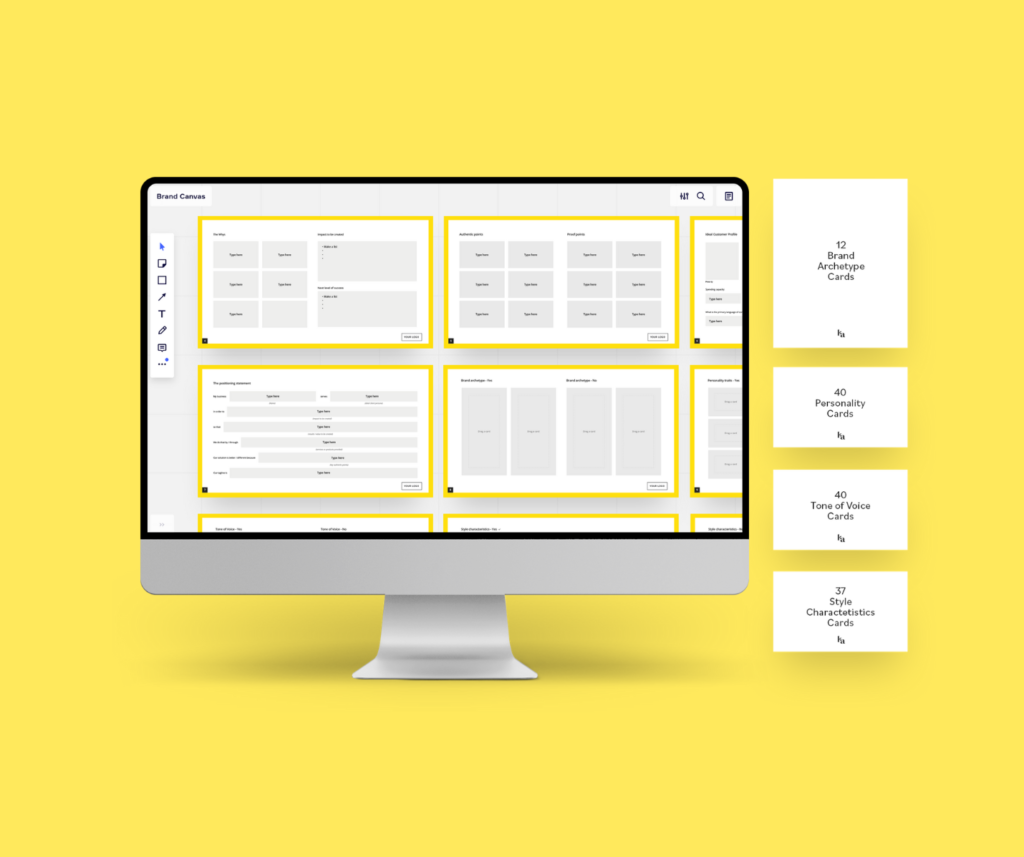
The Positioning Statement template included in the Brand Canvas will help the group bring it all together in a few sentences. These don’t need to be poetic beauties! A copywriter can polish them up later, so there’s no need to get stuck on creating something “perfect.”
The Brand Canvas captures the key points from each workshop exercise and makes it easy for participants to connect the dots and “see” the essence of the brand come to life. This will likely lead to an a-ha moment where the brand’s true identity emerges.
The goal is to make sure the Positioning Statement grounds the brand and identifies where it’s going. This solid foundation is what will help set the brand apart and build customer confidence and loyalty.
The mission statement may eventually emerge from this clarity, expressing why the brand exists in the world. The positioning statement ensures that mission has a clear, ownable.
If you’re running a brand strategy workshop—or even just gathering your own thoughts—the Brand Canvas is your go-to tool for organizing, synthesizing, and aligning everything. It becomes both a map and a mirror: reflecting your brand’s truth while guiding where to go next. Whether used in-person, remotely, or in a hybrid format, it brings structure to the process and makes the Positioning Statement feel less like a guess and more like a confident declaration.
👉 Download the Brand Canvas to get started.
After this step is completed, it’s time to explore the brand personality and tone of voice. Uncovering these aspects will provide the character that ultimately shapes the raw Positioning Statement into an authentic brand story and a captivating brand identity design.
As always, enjoy the process!
Tools & Courses to Help You
-

-
-
-
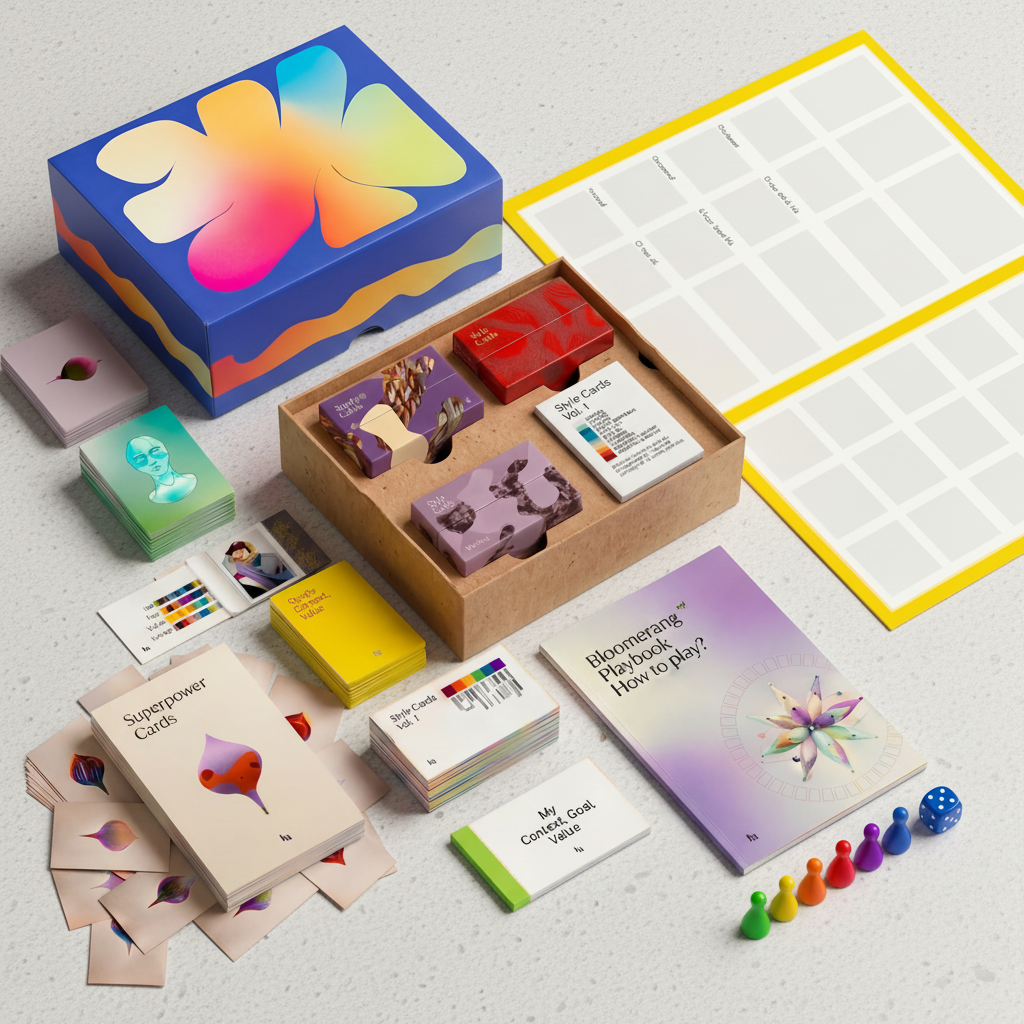
Bloomerang Game – The Branding Game
Play this branding game to develop a clear and aligned brand — whether it’s personal or business.
Available in print.
€340 -
Brand Strategy Fundamentals
Learn how to develop a winning brand strategy for your company or client while using the Brand Canvas.
€450